
BUYER'S COURSE
Here's What You Need to Know About Buying a Home in the Arizona

BUYER'S COURSE
Here's What You Need to Know About Buying a Home in the Arizona

|
|
|
Buyer's Course
Buyers Blueprint Intro
Module 1: You Need An Expert
Module 2: Buyer's Compensation
Module 3: Choosing the Right Lender
Module 4: Making an Offer and Negotiations
Module 5: Your Offer Is Accepted
Module 6: Inspections Are Complete
Module 7: The Final Steps
Module 8: Erin Brockovich Buyer Compensation
Nestled in the vibrant heart of Arizona offers an unparalleled blend of serene suburban living and the convenience of city life.
Whether you're a first-time buyer or looking to upgrade your living situation, our tailored market updates, captivating community videos, and comprehensive real estate insights make your home-buying journey seamless and enjoyable.
Exclusive Market Updates
Stay ahead of the curve with our up-to-minute market updates. From the latest listings to price trends, we ensure you have all the information you need to make informed decisions. Arizona's real estate landscape is dynamic, and with our expert analysis, you're always in the know.
Want to be sure you don't miss out on any local tips & local real estate market updates?
Have them delivered to your inbox.
Subscribe to the monthly digital newsletter below!
market Updates

Considering Buying?
Buying a home can be an exciting but also challenging experience. If you're planning to buy an East Bay home, it's important to be prepared and aware of what to expect throughout the process. This short guide is designed to provide buyers like you with valuable insights and tips to navigate the purchase of your East Bay property successfully.
DOWNLOAD TO ACCESS:
Home Buyers Blueprint
Step by Step Process to Buying A Home

Spring is here!
The Spring Real Estate Market is thriving, and we are seeing a significant increase in demand for homes in Voorhees, especially from millennials.
In fact, the current absorption rate in our area is only 3 months, which means that if no more homes come on the market, we will only be able to sustain the current demand for up to 3 months.
This is great news for anyone considering selling their home, as the high demand can lead to a boost in your bottom line.
If you are thinking about selling your home, now is the perfect time to do so. To get started, it's essential to focus on your curb appeal, which can significantly impact the value of your property. That's why we've put together a helpful checklist to help you get started.
Friendly reminder: Before you make a repair, be sure to check with a real estate agent to make sure it is worth your return on investment. Feel free to Book A Call with me if you have any questions or want a free consultation!
Are you a little behind on your spring cleaning? Grab a copy of the Ultimate Spring Cleaning Checklist that was featured last month.
Preparing for a possible move this winter? Click below to check out our moving checklist to get your whole house ready for the next home!
Want to know what is happening throughout East Bay Now?
Click below for a full live schedule of local events around town!
ARIZONA STATS & LOCAL INFO
Click Here for the Census Data.
Click Here for the Arizona Report Card from Niche.
DOWNLOAD TO ACCESS:
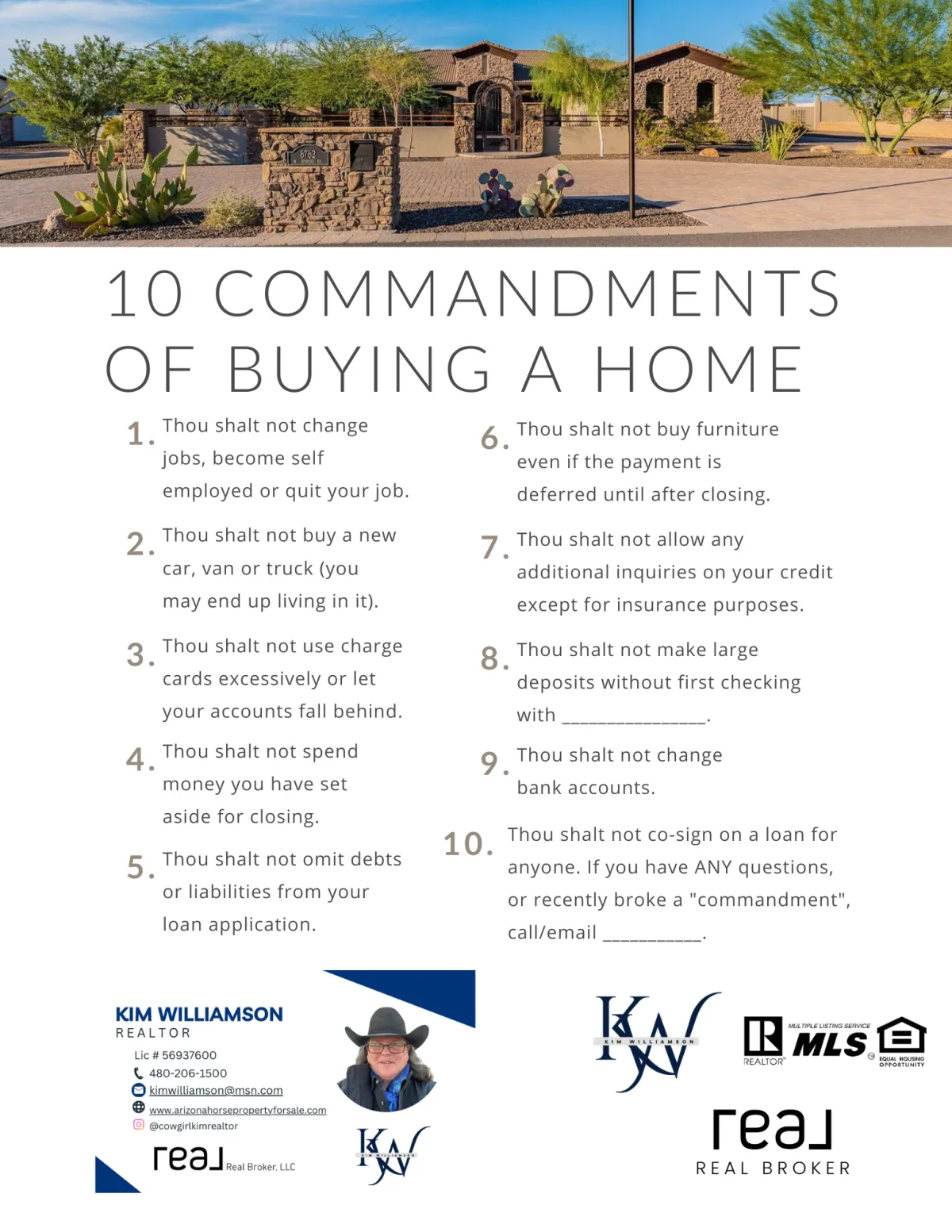
10 Commandments of Buying A Home
DOWNLOAD TO ACCESS:
The Complete Guide to Buying A Home
market Updates
buying new construction? buyer beware
Local market update
NAR's Commission Settlement:
Understanding Buyer's Agent Compensation
National Market Update
Buyer Tips
Community Videos
3 best sandwich Shops
Best Burrito in Brentwood
Best Hot Dogs in Brentwood
MJ's Cafe in brentwood
WELCOME TO THE VIRTUAL Home Buyer SEMINAR IN ARIZONA
If you're either thinking about purchasing a new home or already made the decision to purchase a house, but you still have questions or concerns regarding the process, price or anything else - let me tell you:
You're in the right place.
This free home buyer seminar is giving you the exact step by step blueprint on everything you need so you can get clarity on everything A-Z and guide to you make the best decision in purchasing your new home.
You will learn about timelines and timing, inspections, loan pre-approvals, negotiations, and so much more.
Take a look around and let us know how we can help you.
Kim Williamson | Realtor & Broker
By Real Brokerage
SA # 569376000
WELCOME TO THE VIRTUAL HOME BUYER SEMINAR LIBRARY
Enjoy the latest & most up-to-date marketing & sales tactics to help you purchase a NEW home.
Thinking About Buying?
Are you thinking about buying a home but you don't know where to start?
Learn to take advantage of Tax Saving opportunities instead of throwing your money away
Walk through the important aspects of purchasing a home
What to Expect When Buying a Home
Purchasing a home is most likely going to be one of the largest investments you will make in your lifetime.
We have helped hundreds of clients in the past and we can help you too
My team and I are free! The seller pays for our fees and they have an agent who has their best interest at heart. We are here to have yours
Home Buying Process -
First Step
The first step when looking to buy a home is getting qualified for a loan.
Before doing anything else you need to know what you can afford by getting qualified for a loan
Don’t go house hunting before going mortgage shopping
Pre-Approval vs
Pre-Qualification
Why you need an approval rather than just a pre-qualification.
Pre-Qualification is not a true approval but the initial step in a home loan process where you discuss your financial situation with a loan officer - nothing is verified
Pre- Approval is where the buyer provides the lender with the necessary documents to tell them what they are approved for, which loan option is the best for them and what the interest rate will be
10 Must Not’s When Buying a Home
Once you find your dream home, we need to make sure you get to move into it.
Don’t change jobs; becoming self employed or quit current job
Don’t buy a vehicles
Don’t use any charged cards or let your accounts fall behind
Don’t spend money you saved for closing
Don’t omit any debt or liabilities from your loan application
What are the Pros and Cons of Purchasing a Home?
Whether you’ve never owned a home before or it’s been a while since you’ve purchased, let's talk about the pros and cons.
Pro: Your wealth can increase as you build equity in your home through 2023 averaging about 3%
Con: Maintenance costs; work and money to keep a home in good condition
How Much Money Do I Need To Purchase a New Home?
Most people are afraid that it will cost them thousands and thousands of dollars to purchase a home in Brentwood.
There are various loans and grants to qualify to purchase a home
3 Tips To Get Your Offer Accepted
Are you competing with other buyers on your dream home or do you want to make sure you’ve got the best chance of getting your offer accepted?
Make sure you offered a competitive price on a home
Put down a larger earnest money deposit
Let the seller know that you have not written offers on any other properties
Offer Has Been Accepted, What’s Next?
Once your offer has been accepted, it's time to open up escrow.
It's time to get inspections done on the home, review disclosures, secure the loan, and get the appraisal done
WANT TO GET A FREE CUSTOM MARKET PROPOSAL?
Go to the next page to request a custom market proposal for your specific home
Community Videos
Let's Get You Prepared To Buy A Home
Kim Williamson | Realtor & Broker
SA # 569376000
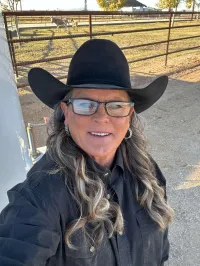
Meet Kim Williamson
Graduated from Farmington, NM High School. Competed in basketball, track, softball, and rodeo. I qualified in High School for the National Finals Rodeo my freshman, sophomore ,junior, and senior years.
Received a Bachelor’s Degree in Business Operations with a minor in Accounting from DeVry University.
Worked for 3 major logistics companies before I started my own delivery business, which I built to be one of the largest minority own companies in Arizona. In turn, I SOLD it for a very large profit.
My love for horses and rodeo will always be in my heart. After selling my company, I started training horses full time and rodeoing again. In the process of my new career, I also earned my Real Estate License. My western lifestyle went hand and hand with my knowledge of Real Estate. There was a true need for an experienced Realtor that understood land and horse properties. With that being said, I was able to win 8 World Championships in the Women’s Pro Rodeo Association Roping Division. I broke numerous arena records and become one of the elite cowgirls in the world. I hosted 20-30 roping schools across the world annually. As for my Real Estate career, it soared as well, being ranked in the top 200 Top Producing agents out of 90,000 in the State of Arizona. I absolutely love helping others and I constantly strive to improve myself with coaching and mentorship as well as giving back.
KNOWLEGDE IS POWER. “Do what you love and love what you do.”
SUPPORT OUR SMALL BUSINESSES
Top 5 Things To Do In Brentwood
Top Tacos in Brentwood
41 Sand Creek Rd C, Brentwood
335 Oak St, Brentwood
Visit our blogs for more real estate tips, home tips, and local information!
Arizona Open Range Law: Who Pays for the Fence?
Arizona Open Range Law: Who Pays for the Fence?
Arizona open range law is the answer to a question almost nobody asks until it is already a problem. Somebody else's cattle walk onto your acreage, eat what you planted, tear up your arena, spook your horses, and you call somebody expecting to be made whole. Then you learn how Arizona handles it, and it is not what you assumed.
In most of this state, the burden is on you to fence livestock out. Not on the owner to fence them in.
That single sentence changes how you look at a property before you buy it.
What does Arizona open range law actually say?
It says you generally cannot recover for animal trespass unless your own land is enclosed in a lawful fence.
A.R.S. 3-1427 is titled "Recovery for damage to unfenced lands; exception." The statute reads: "An owner or occupant of land is not entitled to recover for damage resulting from the trespass of animals unless the land is enclosed within a lawful fence, but this section shall not apply to owners or occupants of land in no-fence districts."
Read that plainly. If your land is not enclosed in a lawful fence, and it is not in a no-fence district, the statute says you are not entitled to recover. The cattle were not trespassing in the way you think of trespassing. Your fence, or the lack of it, is the issue.
This is the part that catches transplants hardest. People move here from places where the animal's owner is responsible, full stop. Arizona grew up as a range state and the law still reflects that history.
What counts as a lawful fence in Arizona?
The statute is specific, which is genuinely useful, because it means you can look at a fence and evaluate it.
A.R.S. 3-1426 is titled "Lawful fence defined." It describes a fence built and maintained with good and substantial posts firmly placed in the ground at intervals of not more than thirty feet. It describes four barbed wires, where the top wire is fifty inches above the ground and the other wires at intervals below the top wire of twelve, twenty-two, and thirty-two inches. Where posts are set more than one rod apart, support stays are required.
Subsection B matters just as much. The statute also accepts fences built of other materials equally as strong and otherwise effective to turn livestock.
That subsection is why a well-built pipe and cable fence, or a no-climb wire fence on solid posts, can satisfy the standard. The test is strength and the ability to turn livestock, not a requirement that everyone in Arizona run barbed wire. If you are weighing materials, our comparison of pipe, panel, no-climb and sucker rod fencing goes through what each one actually costs and holds up to.
The word maintained is doing work in that statute too. A lawful fence that has been down in the wash since the last monsoon is not much of a defense.
What is a no-fence district?
It is a designated area where the default flips, and landowners inside it are not held to the fence-out rule.
A.R.S. 3-1421, titled "Formation," describes how they come about. A majority of taxpayers in qualifying irrigation districts or contiguous land areas may petition the board of supervisors that a no-fence district be formed and that no fence be required around the land in the district designated in the petition.
Inside a no-fence district the obligations shift onto the livestock owner. A.R.S. 3-1424 is titled "Civil and criminal liability of person allowing stock to run at large within no-fence district," and it provides that the owner or person in charge of livestock who recklessly allows or permits animals to run loose in a no-fence district commits a class 2 misdemeanor and faces liability for resulting damages to enclosed property.
And these districts are not permanent fixtures. A.R.S. 3-1425, "Dissolution of district," states that a no-fence district may be dissolved at any time in the same manner as it was formed.
So the honest answer to "am I in a no-fence district" is that it depends on your specific parcel, and it is a question for the county, not for an internet article. Ask the board of supervisors' office for the county your dirt sits in.
Why this belongs in your buying decision
Because fencing on acreage is real money, and whether you need it is not optional in the way people assume.
When a buyer tours a place around the Metro Plex of Arizona and the perimeter fence is three strands of sagging wire with cedar posts leaning at forty-five degrees, the reaction is usually cosmetic. It looks bad. What it actually means is that if the neighbor's stock comes through, the statute is not on your side.
I have closed 1,000+ transactions, and perimeter fence is one of the line items buyers most consistently underestimate on raw or lightly improved acreage. Get a real bid before you close, not a guess after.
It also connects to a second question that trips up rural buyers, which is legal and physical access to the parcel. Fencing and access get tangled together on unimproved land, and we walked through the access side in easements and right-of-way on Arizona land.
What to walk before you write the offer
Walk the entire perimeter. Not the front. The entire perimeter.
Look at post spacing and whether posts are actually firm in the ground. Look at wire height and tension. Look at where a wash cuts the fence line, because that is where it will be down. Look at gates, which is where most livestock actually get through. Look at the corners, because a fence is only as good as its bracing.
Then ask who owns the fence, and whether there is any written agreement with the neighbor about maintaining it. On acreage, there often is not, and the absence of one is worth knowing before you own it.
This is the same walk-it-yourself discipline we recommend in our Arizona horse property checklist of twelve things to inspect before you make an offer.
The short version
Arizona is a fence-out state outside of no-fence districts. Under A.R.S. 3-1427, the owner of unfenced land generally cannot recover for animal trespass. Under A.R.S. 3-1426, a lawful fence has a definition you can measure. Inside a no-fence district, under A.R.S. 3-1424, the liability lands on the livestock owner instead.
Know which one your parcel is before you fall in love with the barn.
Frequently Asked Questions
Is Arizona an open range state? Outside of no-fence districts, Arizona applies a fence-out rule. A.R.S. 3-1427 provides that an owner or occupant of land is not entitled to recover for damage from animal trespass unless the land is enclosed within a lawful fence.
What is a lawful fence in Arizona? A.R.S. 3-1426 describes good and substantial posts at intervals of not more than thirty feet, four barbed wires with the top wire fifty inches above the ground and the others at twelve, twenty-two and thirty-two inches below the top wire, with stays where posts are more than one rod apart. Other materials equally as strong and effective to turn livestock also qualify.
Does open range mean my neighbor's cattle can come onto my land? It means that if your land is not enclosed within a lawful fence and you are not in a no-fence district, the statute does not entitle you to recover for the damage. Fencing is your protection.
How do I find out if a property is in a no-fence district? No-fence districts are formed by petition to the county board of supervisors under A.R.S. 3-1421 and may be dissolved the same way under A.R.S. 3-1425. Ask the board of supervisors' office in the county where the parcel sits.
Who is responsible if livestock run loose in a no-fence district? Under A.R.S. 3-1424, an owner or person in charge of livestock who recklessly allows or permits them to run loose in a no-fence district commits a class 2 misdemeanor and is liable for resulting damages to enclosed property.
Sources (checked 2026-09-25): Arizona Revised Statutes 3-1421, 3-1424, 3-1425, 3-1426 and 3-1427, read at azleg.gov.
Looking at acreage in the Metro Plex of Arizona and want someone who will actually walk the fence line with you? I am Kim Williamson with Real Broker. I have lived in Arizona 36 years, sold real estate here for 24 years, closed 1,000+ transactions, and I am an 8x WPRA World Champion. Call or text 480-206-1500, or start at www.ArizonaHorsePropertyForSale.com.
Visit our blogs for more real estate tips, home tips, and local information!
Arizona Open Range Law: Who Pays for the Fence?
Arizona Open Range Law: Who Pays for the Fence?
Arizona open range law is the answer to a question almost nobody asks until it is already a problem. Somebody else's cattle walk onto your acreage, eat what you planted, tear up your arena, spook your horses, and you call somebody expecting to be made whole. Then you learn how Arizona handles it, and it is not what you assumed.
In most of this state, the burden is on you to fence livestock out. Not on the owner to fence them in.
That single sentence changes how you look at a property before you buy it.
What does Arizona open range law actually say?
It says you generally cannot recover for animal trespass unless your own land is enclosed in a lawful fence.
A.R.S. 3-1427 is titled "Recovery for damage to unfenced lands; exception." The statute reads: "An owner or occupant of land is not entitled to recover for damage resulting from the trespass of animals unless the land is enclosed within a lawful fence, but this section shall not apply to owners or occupants of land in no-fence districts."
Read that plainly. If your land is not enclosed in a lawful fence, and it is not in a no-fence district, the statute says you are not entitled to recover. The cattle were not trespassing in the way you think of trespassing. Your fence, or the lack of it, is the issue.
This is the part that catches transplants hardest. People move here from places where the animal's owner is responsible, full stop. Arizona grew up as a range state and the law still reflects that history.
What counts as a lawful fence in Arizona?
The statute is specific, which is genuinely useful, because it means you can look at a fence and evaluate it.
A.R.S. 3-1426 is titled "Lawful fence defined." It describes a fence built and maintained with good and substantial posts firmly placed in the ground at intervals of not more than thirty feet. It describes four barbed wires, where the top wire is fifty inches above the ground and the other wires at intervals below the top wire of twelve, twenty-two, and thirty-two inches. Where posts are set more than one rod apart, support stays are required.
Subsection B matters just as much. The statute also accepts fences built of other materials equally as strong and otherwise effective to turn livestock.
That subsection is why a well-built pipe and cable fence, or a no-climb wire fence on solid posts, can satisfy the standard. The test is strength and the ability to turn livestock, not a requirement that everyone in Arizona run barbed wire. If you are weighing materials, our comparison of pipe, panel, no-climb and sucker rod fencing goes through what each one actually costs and holds up to.
The word maintained is doing work in that statute too. A lawful fence that has been down in the wash since the last monsoon is not much of a defense.
What is a no-fence district?
It is a designated area where the default flips, and landowners inside it are not held to the fence-out rule.
A.R.S. 3-1421, titled "Formation," describes how they come about. A majority of taxpayers in qualifying irrigation districts or contiguous land areas may petition the board of supervisors that a no-fence district be formed and that no fence be required around the land in the district designated in the petition.
Inside a no-fence district the obligations shift onto the livestock owner. A.R.S. 3-1424 is titled "Civil and criminal liability of person allowing stock to run at large within no-fence district," and it provides that the owner or person in charge of livestock who recklessly allows or permits animals to run loose in a no-fence district commits a class 2 misdemeanor and faces liability for resulting damages to enclosed property.
And these districts are not permanent fixtures. A.R.S. 3-1425, "Dissolution of district," states that a no-fence district may be dissolved at any time in the same manner as it was formed.
So the honest answer to "am I in a no-fence district" is that it depends on your specific parcel, and it is a question for the county, not for an internet article. Ask the board of supervisors' office for the county your dirt sits in.
Why this belongs in your buying decision
Because fencing on acreage is real money, and whether you need it is not optional in the way people assume.
When a buyer tours a place around the Metro Plex of Arizona and the perimeter fence is three strands of sagging wire with cedar posts leaning at forty-five degrees, the reaction is usually cosmetic. It looks bad. What it actually means is that if the neighbor's stock comes through, the statute is not on your side.
I have closed 1,000+ transactions, and perimeter fence is one of the line items buyers most consistently underestimate on raw or lightly improved acreage. Get a real bid before you close, not a guess after.
It also connects to a second question that trips up rural buyers, which is legal and physical access to the parcel. Fencing and access get tangled together on unimproved land, and we walked through the access side in easements and right-of-way on Arizona land.
What to walk before you write the offer
Walk the entire perimeter. Not the front. The entire perimeter.
Look at post spacing and whether posts are actually firm in the ground. Look at wire height and tension. Look at where a wash cuts the fence line, because that is where it will be down. Look at gates, which is where most livestock actually get through. Look at the corners, because a fence is only as good as its bracing.
Then ask who owns the fence, and whether there is any written agreement with the neighbor about maintaining it. On acreage, there often is not, and the absence of one is worth knowing before you own it.
This is the same walk-it-yourself discipline we recommend in our Arizona horse property checklist of twelve things to inspect before you make an offer.
The short version
Arizona is a fence-out state outside of no-fence districts. Under A.R.S. 3-1427, the owner of unfenced land generally cannot recover for animal trespass. Under A.R.S. 3-1426, a lawful fence has a definition you can measure. Inside a no-fence district, under A.R.S. 3-1424, the liability lands on the livestock owner instead.
Know which one your parcel is before you fall in love with the barn.
Frequently Asked Questions
Is Arizona an open range state? Outside of no-fence districts, Arizona applies a fence-out rule. A.R.S. 3-1427 provides that an owner or occupant of land is not entitled to recover for damage from animal trespass unless the land is enclosed within a lawful fence.
What is a lawful fence in Arizona? A.R.S. 3-1426 describes good and substantial posts at intervals of not more than thirty feet, four barbed wires with the top wire fifty inches above the ground and the others at twelve, twenty-two and thirty-two inches below the top wire, with stays where posts are more than one rod apart. Other materials equally as strong and effective to turn livestock also qualify.
Does open range mean my neighbor's cattle can come onto my land? It means that if your land is not enclosed within a lawful fence and you are not in a no-fence district, the statute does not entitle you to recover for the damage. Fencing is your protection.
How do I find out if a property is in a no-fence district? No-fence districts are formed by petition to the county board of supervisors under A.R.S. 3-1421 and may be dissolved the same way under A.R.S. 3-1425. Ask the board of supervisors' office in the county where the parcel sits.
Who is responsible if livestock run loose in a no-fence district? Under A.R.S. 3-1424, an owner or person in charge of livestock who recklessly allows or permits them to run loose in a no-fence district commits a class 2 misdemeanor and is liable for resulting damages to enclosed property.
Sources (checked 2026-09-25): Arizona Revised Statutes 3-1421, 3-1424, 3-1425, 3-1426 and 3-1427, read at azleg.gov.
Looking at acreage in the Metro Plex of Arizona and want someone who will actually walk the fence line with you? I am Kim Williamson with Real Broker. I have lived in Arizona 36 years, sold real estate here for 24 years, closed 1,000+ transactions, and I am an 8x WPRA World Champion. Call or text 480-206-1500, or start at www.ArizonaHorsePropertyForSale.com.
WHAT PEOPLE ARE SAYING ABOUT KIM WILLIAMSON
"Kim is an exceptional realtor. Her knowledge, professionalism and direct approach is why I wanted to work with Kim. She guided me through every step of the process while selling my property. Kim provided outstanding customer service, and direction. She responded quickly to any correspondence or concern. Kim was awesome at follow up and kept the process moving. She was able to get my property on the market and sold quickly. Her years of experience shined through. I enjoyed working with her and her realtor team!".
- Michelle Lenz
"Kim and her team are absolutely wonderful to work with! She braved rattlesnakes and helped us work out a couple of complicated transactions. We never had to wonder where we were in the process, she communicated with us quickly and as often as needed. Can't say enough great things about Kim and her team. She is the best!"
- Jennie James
Kim got the job done, it was a cross country move and we took advantage of the time we had when we were visiting AZ. We found a great house, worked with awesome sellers, and landed the house that was perfect for our needs. Kim moved as fast as we needed her to and answered questions along the way. Kim and AZ have been good to us."
- Abby Clausen
Want to be sure you don't miss out on any local tips & local real estate market updates?
Have them delivered to your inbox.
Subscribe to the monthly digital newsletter below!
Kim Williamson | Copyright © 2026 | All Rights Reserved